
Emergency dentistry deals with urgent dental problems that need immediate attention to stop pain, control bleeding, or save a tooth. It’s less about routine care and more about stabilizing a situation before it gets worse.
What counts as a dental emergency

Typical emergencies include:
- Severe toothache (often from infection or decay)
- Knocked-out tooth (time-sensitive—can sometimes be saved)
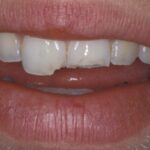
- Broken or cracked tooth causing pain or sharp edges
- Dental abscess (infection causing swelling, pus, or fever)
- Uncontrolled bleeding in the mouth
- Lost crown or filling causing pain or exposure
- Jaw injuries or trauma
Why fast treatment matters
Delaying care can turn a manageable issue into something serious:
- Infections can spread beyond the mouth (in rare cases, life-threatening)
- A knocked-out tooth has the best chance of survival within about 30–60 minutes
- Pain and swelling usually worsen without treatment
What to do right away
- Knocked-out tooth: Gently rinse (don’t scrub), try to place it back in the socket or store it in milk, and get to a dentist immediately
- Toothache/swelling: Rinse with warm saltwater, use a cold compress, avoid placing aspirin directly on gums
- Broken tooth: Rinse mouth, save any pieces, avoid chewing on that side
- Bleeding: Apply steady pressure with clean gauze
Bottom line
Emergency dentistry is about quick action—relieving pain, preventing complications, and preserving teeth when possible.