
Occlusion Analysis
 Occlusion analysis is the study of how teeth come together—how your upper and lower teeth contact each other when you bite, chew, or rest your jaw. It’s a core concept in dentistry and orthodontics because even small imbalances can affect comfort, wear on teeth, and jaw function.
What it looks at
An occlusion analysis typically evaluates:
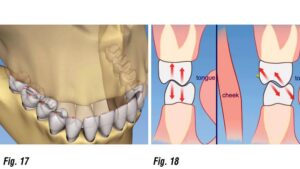
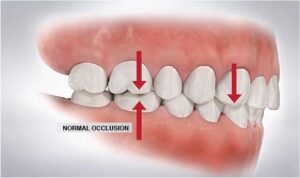
- Tooth contact points – which teeth hit first and how evenly pressure is distributed
- Alignment – whether teeth are straight, crowded, or spaced
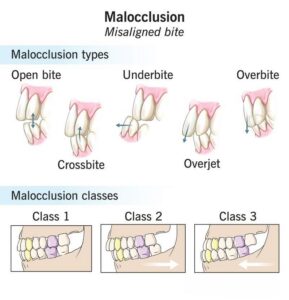
- Bite relationship – overbite, underbite, crossbite, or open bite
- Jaw position – how the upper and lower jaws relate when closing
- Wear patterns – signs of grinding or uneven stress
Why it matters
If your bite is off (called a malocclusion), it can lead to:
- Tooth wear or fractures
- Jaw pain or clicking (often related to Temporomandibular Joint Disorder)
- Headaches or muscle strain
- Difficulty chewing or speaking
How it’s done
Dentists use a mix of:
- Visual exam
- Bite paper (to see pressure points)
- Digital scans or X-rays
- Sometimes computerized bite analysis tools
Where it’s used
- Orthodontics (braces, aligners)
- Restorative dentistry (crowns, fillings, implants)
- TMJ treatment planning
In plain terms: occlusion analysis is about making sure your bite works smoothly and evenly, so your teeth and jaw don’t have to fight each other every time you chew.
